

Our Curriculum- Skills for a changing world
At Wayfinders, we believe learning should feel meaningful, personalised and safe, not pressured, restrictive or one-size-fits-all.
Many of the families who find us are looking for a different approach to education. Some are searching for a gentler, more personalised way for their child to learn before they become overwhelmed by traditional systems, while others are looking to reconnect their child with learning after mainstream education has no longer felt like the right fit.
That’s why we have chosen to build a skills-based curriculum focused on preparing young people for the real world. While knowledge remains important, today’s children already have constant access to information. What matters most is developing the confidence and skills to think independently, navigate challenges creatively, communicate effectively and understand themselves and others.
Our approach supports learners to grow at their own pace, without fear of judgement, pressure or constant comparison, while developing the practical, emotional and social skills needed for life in a rapidly changing world.
Our Core Skills
Collaboration – Learning to work with others, share ideas, communicate effectively and value different perspectives.
Creativity – Encouraging curiosity, imagination and innovative thinking through meaningful, hands-on learning experiences.
Critical Thinking – Questioning, exploring and learning how to make thoughtful, informed decisions with confidence.
Self-Awareness – Developing emotional understanding, recognising strengths and supporting personal growth and wellbeing.
Goal Setting – Building confidence through achievable, meaningful progress that respects each child’s individual pace and journey.
Innovation – Applying ideas, skills and creativity to solve problems, adapt to change and explore new possibilities.
Through relationship-led, child-centred learning, we help young people build resilience, confidence and a genuine connection to learning, preparing them not just academically, but emotionally and socially for the future too.
How do you embed these skills?
-
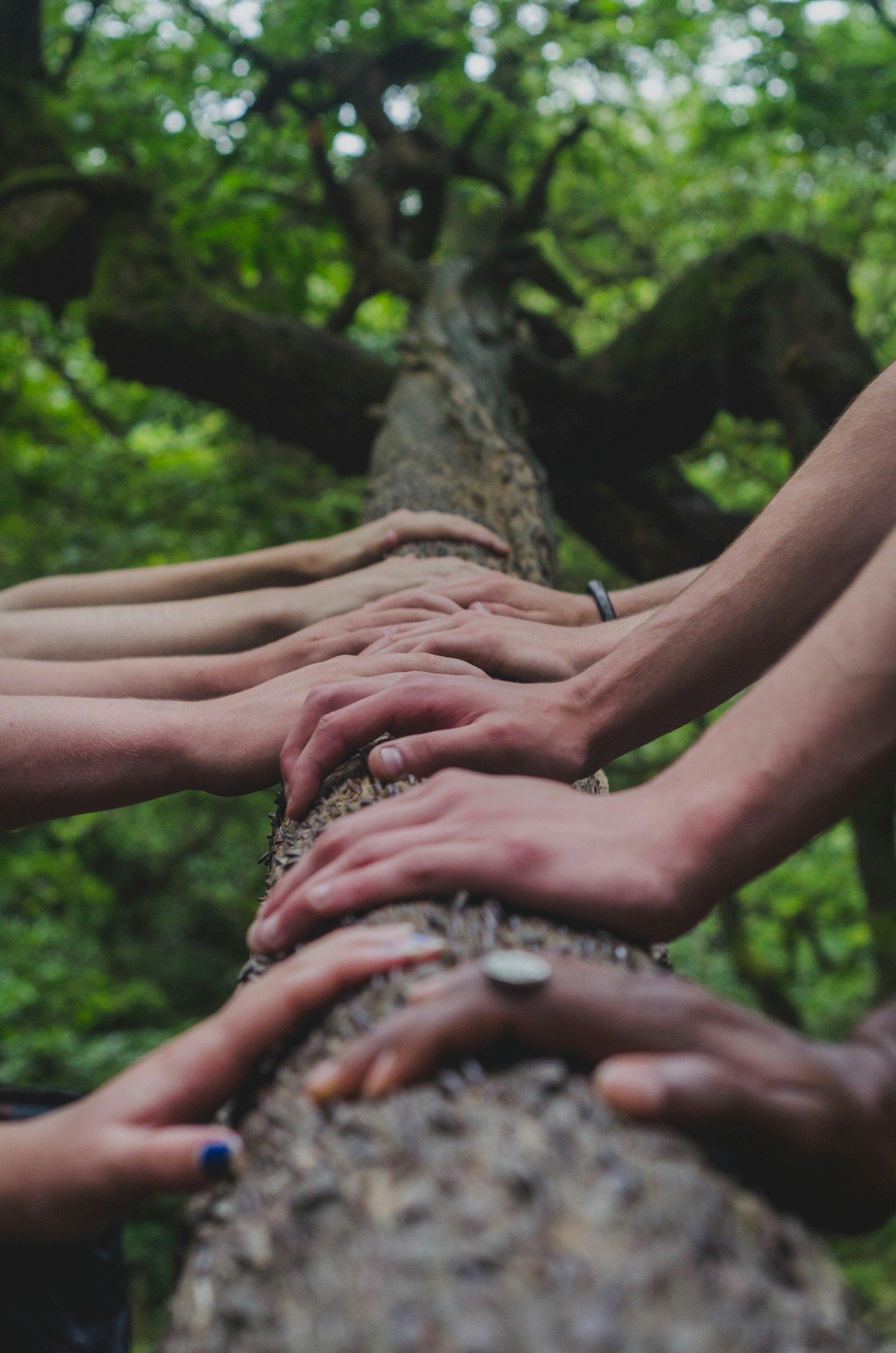
COLLABORATION
Example Activities: Group whittling projects, team ecological surveys
Subjects / Topics: Design & Technology, Environmental Studies
Skills Applied: Planning together, documenting results, measuring materials -
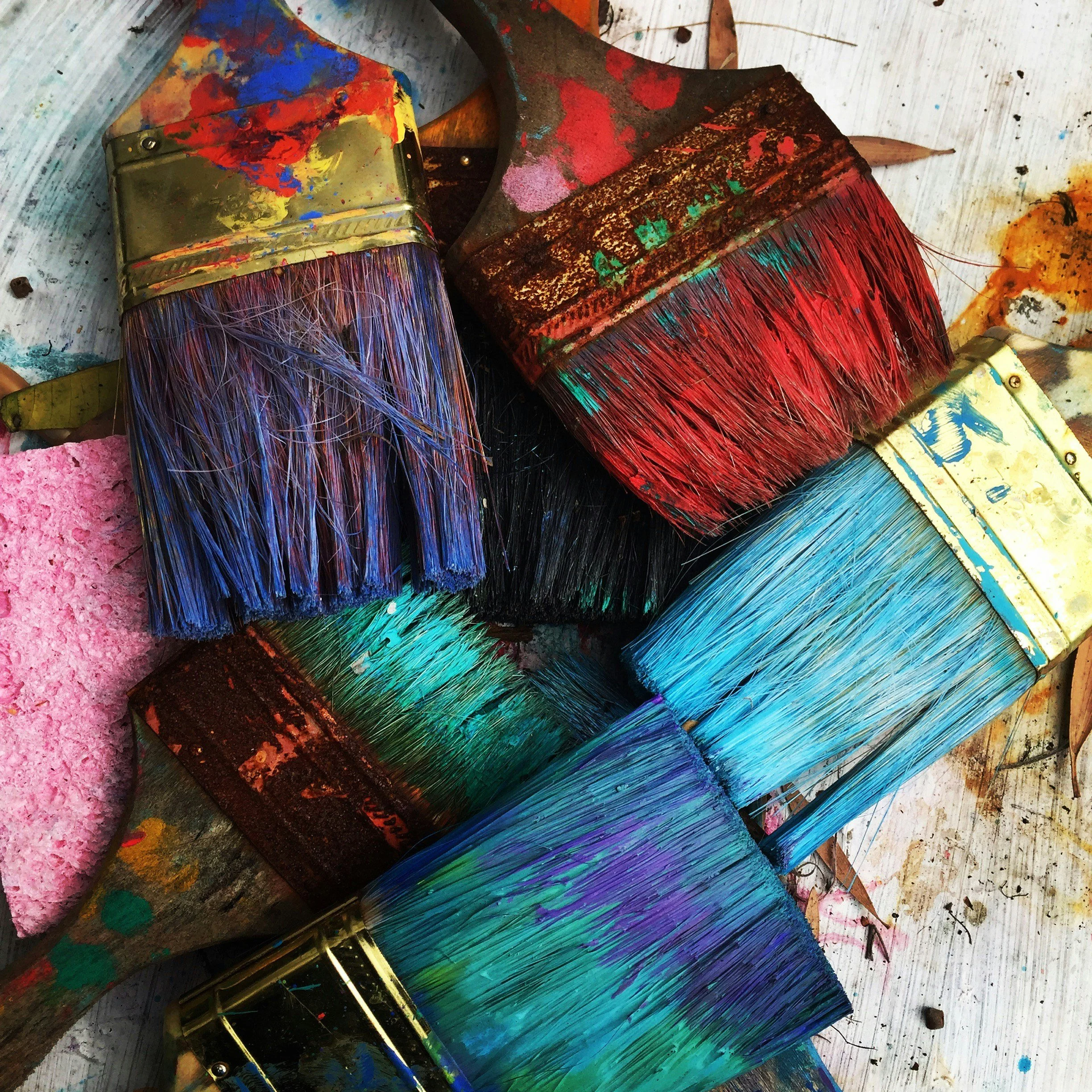
CREATIVITY
Example Activities: Songwriting, creating models, storytelling around fires
Subjects / Topics: Music, Art, Literacy
Skills Applied: Writing lyrics, composing narratives, interpreting patterns -
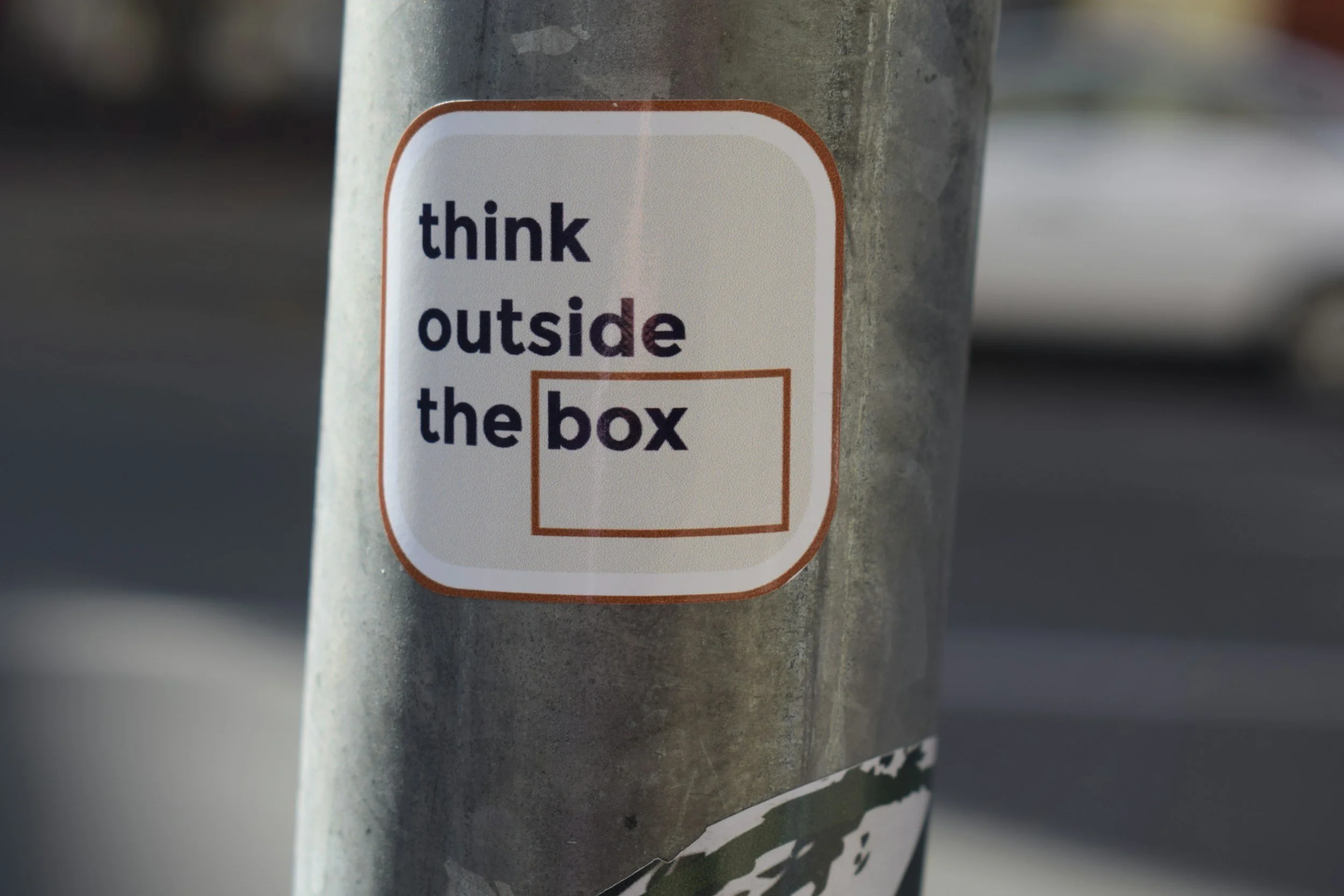
CRITICAL THINKING
Example Activities: Analysing fossils, questioning research sources
Subjects / Topics: Palaeontology, Science
Skills Applied: Research notes, interpreting data, measuring specimens -

INNOVATION
Example Activities: Designing new tools or games, problem-solving challenges
Subjects / Topics: Engineering, Environmental Design
Skills Applied: Sketching designs, calculating angles and materials -
SELF-AWARENESS
Example Activities: Reflection journals, mindful forest walks
Subjects / Topics: PSHE, Mindfulness
Skills Applied: Writing reflections, tracking personal growth -
GOAL SETTING
Example Activities: Planning a community project, setting milestones
Subjects / Topics: STEAM, Outdoor Learning, Social Studies
Skills Applied: Organising tasks, budgeting, measuring progress
Learning at the Right Pace
We intentionally design learning experiences that allow children to slow down, reflect, and fully engage with what they are doing. With small group ratios, each learner is supported to move at a pace that feels right for them without pressure, comparison, or the need to keep up.
Learning here is not rushed. It is thoughtful, hands-on, and rooted in real understanding.
For example, activities such as whittling allow children to plan, focus, and problem-solve while carefully shaping wood. In the process, they naturally develop patience, creativity, precision, and goal-setting in a calm, mindful environment.
Through experiences like this, skills are not taught in isolation. They are lived, practised, and embedded in meaningful contexts that make learning memorable and transferable beyond the classroom.
Freedom and Autonomy
A skills-based approach gives children the freedom to explore subjects they are genuinely curious about, often in ways that are not always possible within traditional settings.
A child fascinated by palaeontology might explore fossils, the natural world, and scientific observation, developing research skills through real discovery.
A young person passionate about music might engage with songwriting, rhythm, and poetry, building literacy and self-expression in a way that feels meaningful to them.
Someone drawn to architecture might explore geometry, angles, and design through hands-on building projects, bringing numeracy to life in practical and creative ways.
With small group learning, these interests are supported and guided so that deep exploration also builds strong foundational skills, without limiting curiosity or creativity.
Literacy and Numeracy in context
Literacy and numeracy remain central to learning, but they are always taught in meaningful, relevant contexts rather than in isolation.
Literacy may appear through writing project plans, reflective journals, storytelling, or songwriting.
Numeracy is explored through measuring materials, building projects, mapping patterns in nature, and solving real-world challenges.
This approach ensures children develop strong core academic skills alongside confidence in applying them in real life.
Preparing for the Future
By focusing on skills rather than rigid content delivery, we support young people to:
adapt to change with confidence
think critically and independently
create and innovate in new situations
understand themselves and others more deeply
Most importantly, they leave with more than knowledge. They leave with the ability to use what they know, calmly, creatively, and confidently, whatever path they choose next.